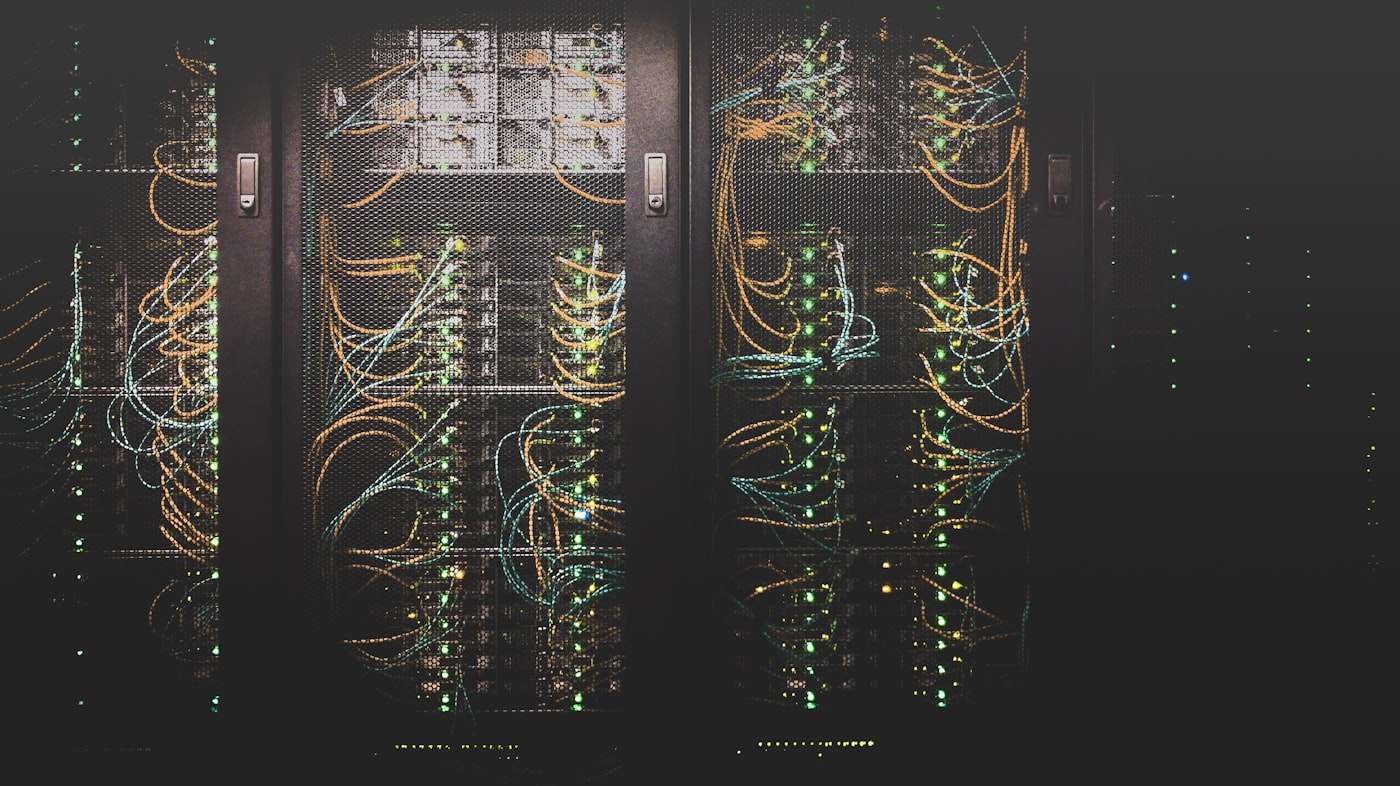
Structured cabling is the nervous system of any modern building. A properly designed and installed cabling infrastructure supports voice, data, video and building-management systems over a lifespan of 15–25 years — outlasting multiple generations of active networking equipment.
The two dominant standards are ANSI/TIA-568 (North America) and ISO/IEC 11801 (international). Both define a hierarchical topology: entrance facility → equipment room → backbone cabling → telecommunications room → horizontal cabling → work-area outlet. Following this topology ensures scalability, manageability and vendor independence.
For new installations, Category 6A (Cat6A) copper cabling is the recommended minimum. Cat6A supports 10 Gigabit Ethernet up to 100 metres and provides superior alien-crosstalk performance compared to Cat6. In backbone runs and inter-building links, single-mode fiber (OS2) is preferred for its virtually unlimited bandwidth headroom and immunity to electromagnetic interference.
Cable management is where many projects fall short. Overhead cable trays should be sized at 40–60% fill to allow future additions. Every cable run should be labelled at both ends using a consistent naming convention (e.g., floor-room-rack-port). Patch panels should be clearly documented and colour-coded by service type.
Washam Trading PLC delivers structured cabling projects from design through certification. Our teams use Fluke DSX testers to certify every link against TIA or ISO standards, providing clients with a complete test-report package. Whether it's a 50-port office fit-out or a multi-floor enterprise campus, our approach ensures the cabling plant is reliable, maintainable and future-ready.