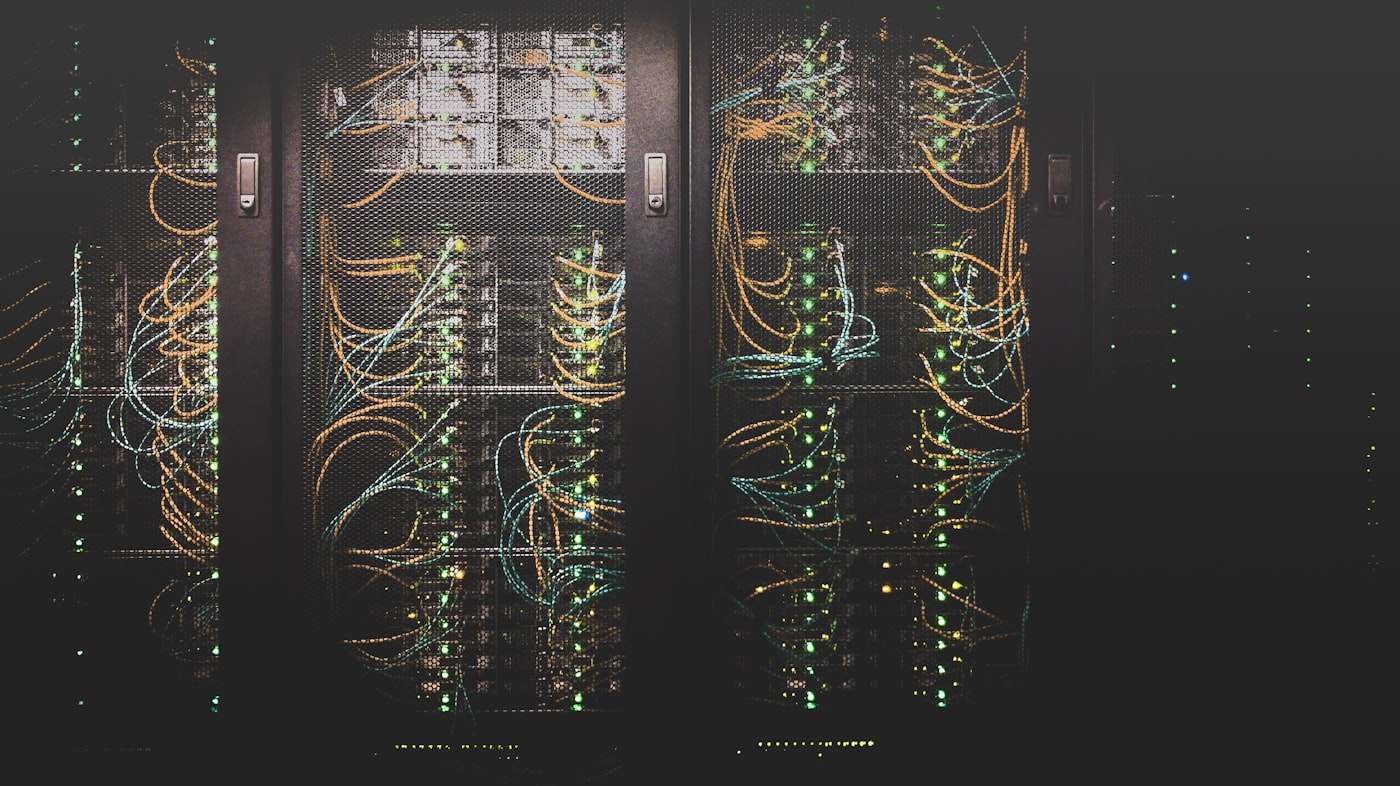
Ethiopia's telecommunications landscape is undergoing a dramatic shift. With Ethio Telecom expanding its reach and new licenses awarded, the demand for high-capacity fiber optic backbone networks has never been greater. These networks form the physical foundation of everything from 4G/5G mobile services to enterprise cloud connectivity.
Fiber optic cables transmit data as pulses of light, enabling speeds that copper simply cannot match. A single strand of fiber can carry terabits per second over hundreds of kilometres with minimal signal loss — making it ideal for backbone routes connecting regional cities to Addis Ababa and onward to international submarine cable landing points.
For companies like Washam Trading PLC, the work begins long before cable is laid. OSP (Outside Plant) survey and design teams use GPS handsets, GIS mapping tools and route-survey methodologies to identify optimal paths, avoiding geological hazards and minimizing right-of-way conflicts. Deliverables include Technical Site Survey Reports (TSSR), High-Level Designs (HLD) and Low-Level Designs (LLD) that operators rely on for budgeting and construction.
Installation itself involves trenching or aerial stringing, duct placement, cable pulling, fusion splicing and rigorous OTDR (Optical Time Domain Reflectometer) testing. Each splice must meet strict loss budgets — typically below 0.1 dB — to ensure end-to-end link performance. Washam's field teams carry fusion splicers, OTDR machines, optical power meters and full PPE to execute this work safely and to standard.
The impact is tangible. Reliable fiber connectivity enables banks to process real-time transactions in regional branches, hospitals to adopt telemedicine, and universities to access global research networks. As Ethiopia targets full digital inclusion by 2030, OSP fiber deployment will remain one of the most critical infrastructure activities in the country.